Coping with a high-risk pregnancy diagnosis: practical next steps
By Janice · Updated 2026-06-11
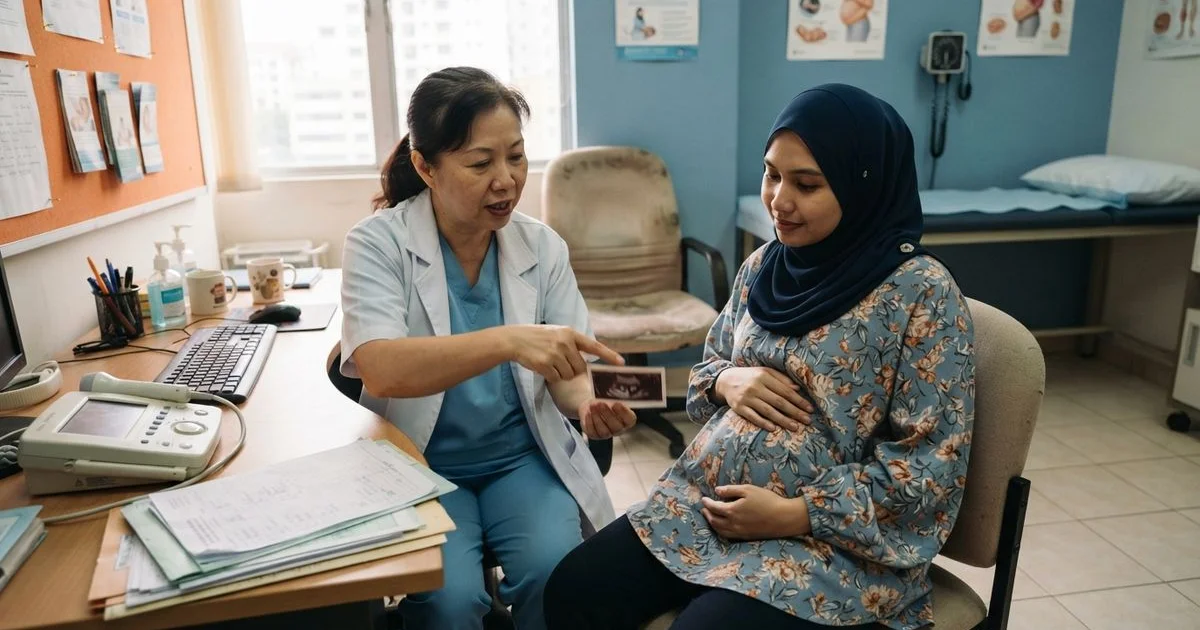
Hearing that your pregnancy is considered high-risk can be unsettling, even when the doctor explaining it is calm and reassuring. Most high-risk pregnancies still result in a healthy delivery, but the diagnosis does mean more monitoring, more decisions, and often more worry than a routine pregnancy. Here is how to work through the first few weeks after that news.
This guide offers general information, not medical advice. Decisions about your specific care should be made with your doctor.
Understand what “high-risk” actually means for you
The label covers a wide range of situations, from maternal age or a mild pre-existing condition to more serious concerns flagged on a scan. It is worth asking your doctor directly what specifically puts your pregnancy in this category, what it means for your day-to-day life, and what the realistic range of outcomes looks like. A vague sense of “high-risk” is far more frightening than a specific, explained reason.
Questions worth asking at your next appointment
- What exactly makes this pregnancy high-risk, and how common is this situation?
- Will I need a specialist alongside my current doctor, and who coordinates the care between them?
- How often will I need checkups and scans from here, and what will each one be checking for?
- What specific symptoms should prompt me to call immediately rather than wait for my next visit?
- Are there activity, diet, or work adjustments I should make now?
Writing these down before the appointment, and bringing a partner or family member to help remember the answers, makes a stressful conversation far more manageable.
What extra monitoring typically involves
Care for fertility and high-risk pregnancy in Kuala Lumpur generally means a tighter schedule of checkups and scans than a standard pregnancy, so your care team can catch changes early rather than waiting for a scheduled visit to surface a problem.
| Stage | Standard pregnancy | Typical high-risk pregnancy |
|---|---|---|
| Early-to-mid pregnancy | Monthly checkups | Every 2-4 weeks, condition dependent |
| Later pregnancy | Every 2 weeks, then weekly | Often weekly, sometimes more |
| Scans | 2-3 routine scans | Additional growth and wellbeing scans as needed |
Getting a second opinion
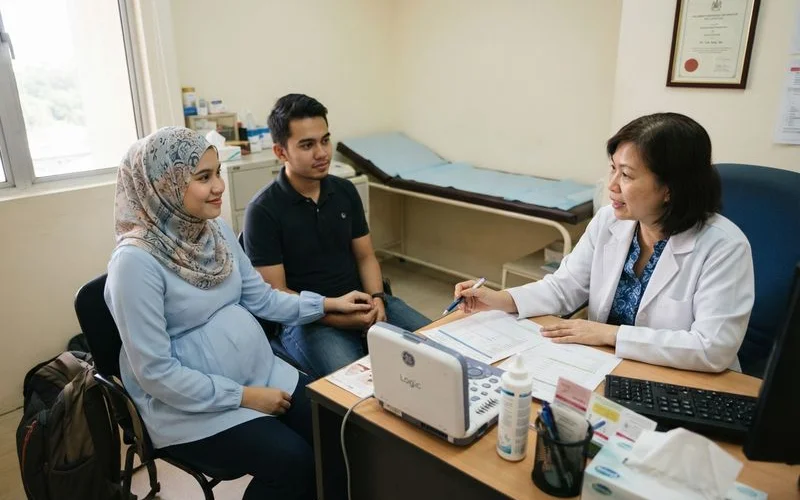
If a diagnosis feels unclear, or you simply want more confidence before making a decision about your care, seeking a second opinion from another qualified specialist is a reasonable and common step, not a sign of distrust in your current doctor. Bring your existing scan results and records to make the second consultation as efficient as possible.
Involving your partner and family
A high-risk diagnosis affects more than just the person carrying the pregnancy. Partners often want to help but are unsure how, beyond attending appointments. Giving them a specific role, tracking symptoms, keeping a list of questions between visits, or simply handling logistics so you can focus on rest, tends to work better than a vague expectation of general support. If wider family is involved and asking frequent questions out of concern, it can help to agree on one person who updates everyone else, so you are not repeating the same explanation to multiple relatives while already managing a full schedule of appointments.
Looking after yourself emotionally
Anxiety, frustration, and grief for the “normal” pregnancy you expected are all common reactions, and none of them mean you are handling this badly. Lean on your partner, family, or a close friend for practical support with appointments and daily tasks, and consider talking to a counselor if the worry feels constant rather than manageable. Connecting with other parents who have been through a similar diagnosis, through a support group or online community, can also make the situation feel less isolating.
A high-risk label describes a pregnancy that needs closer attention, not one that is destined to go wrong. Staying engaged with your care team and asking direct questions is the most useful thing you can do next.
If this pregnancy followed fertility treatment, or you are weighing treatment for a future pregnancy, see starting fertility treatment or IVF in Kuala Lumpur for what a first consultation and cycle typically involve.
For how this site evaluates fertility and high-risk pregnancy providers, see the scoring methodology, and browse the full directory for care options in Kuala Lumpur.
FAQ
- What makes a pregnancy classified as high-risk?
- Common reasons include maternal age, pre-existing conditions like diabetes or high blood pressure, a history of pregnancy complications, multiple pregnancy (twins or more), or a specific finding on a scan or blood test. Being told your pregnancy is high-risk is common and does not mean something will definitely go wrong.
- Does a high-risk pregnancy mean I need a different doctor?
- Often, yes. Many high-risk pregnancies are managed by, or in consultation with, a maternal-fetal medicine specialist alongside your regular obstetrician, especially if the condition needs closer monitoring than routine care provides.
- How much more monitoring does a high-risk pregnancy involve?
- This varies by condition, but expect more frequent checkups and scans than a standard pregnancy schedule, sometimes weekly in the later stages, so your care team can catch changes early.
- Is it normal to feel anxious after a high-risk diagnosis?
- Yes, this is a very common reaction. Many parents find it helps to write down questions before appointments, involve a partner or family member in discussions, and ask directly about what specific signs would need urgent attention.