Pregnancy care in KL for expats and mothers new to Malaysia
By Janice · Updated 2026-07-13
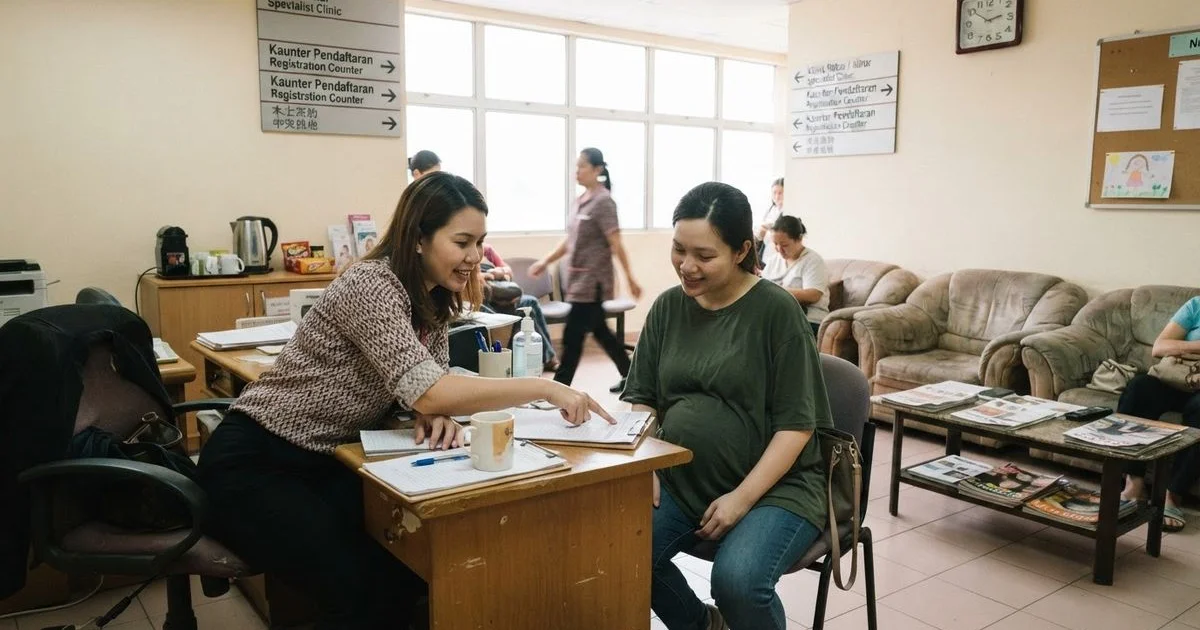
Navigating pregnancy care in a new country adds a layer of complexity on top of everything else that comes with expecting a baby. Here is a practical starting point for expats and newcomers settling into prenatal care in Kuala Lumpur.
Choosing between government and private care
Non-citizens generally pay noticeably higher fees at government hospitals and clinics compared to Malaysian citizens and permanent residents, which shifts the cost balance many expats are used to from home. As a result, most expats in Kuala Lumpur opt for private prenatal checkup and obstetric care, where pricing is more predictable and appointment scheduling tends to be more flexible, even though the per-visit cost is higher than subsidized government care. Private hospital-based clinics are also a common choice for expats who want delivery and prenatal care handled by the same facility from the start. (For how citizens and permanent residents can access subsidized government care, see free and low-cost prenatal care options in Kuala Lumpur.)
What to bring when registering
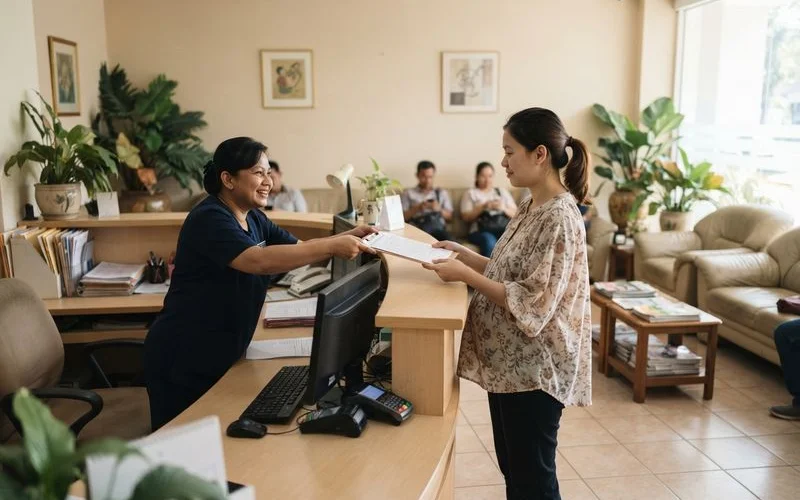
Most private clinics will ask for identification and proof of your visa or residency status at registration, along with any relevant medical history or previous test results if you were already pregnant before arriving in Malaysia. Requirements can vary slightly between clinics, so it is worth calling ahead to confirm exactly what to bring to your first appointment rather than arriving unprepared. If your prior records are not in English or Malay, ask whether the clinic needs a translated summary or can work with the originals directly.
Language and communication
English is widely used in Kuala Lumpur’s private healthcare sector, and most doctors are comfortable consulting in English, which makes the transition easier for many newcomers. If you would prefer a doctor who speaks a specific language, whether that is Mandarin, Tamil, or another language common in Malaysia, it is entirely reasonable to ask when booking rather than assuming and hoping.
Insurance considerations
International health insurance coverage for pregnancy varies enormously by policy, and this is worth checking early rather than after care has already begun. Common issues expats run into:
| Consideration | What to check |
|---|---|
| Maternity coverage | Whether your specific plan includes maternity benefits at all |
| Waiting periods | Whether pregnancy needs to have started after the policy began |
| Coverage limits | Whether there is a cap on maternity-related claims |
| Network restrictions | Whether your preferred clinic is within your insurer’s approved network |
Contact your insurer directly with specific questions rather than relying on a general summary of your plan, since maternity clauses are often more restrictive than other parts of a policy.
Building a local support network
Without extended family nearby, many expat parents find real value in local expat parenting groups and online communities specific to Kuala Lumpur, both for practical recommendations on clinics and confinement care, and for general support through the process. Your clinic or obstetrician can often point you toward local resources as well, including confinement centres that are used to working with international clients.
Confinement care as a newcomer
Traditional confinement care can feel unfamiliar if you did not grow up with the practice, but most centres in Kuala Lumpur that work with international clients are well used to explaining what is included and adjusting elements like the meal plan to fit different dietary backgrounds. If the concept is new to you, it is worth booking a tour before your due date so you can see the routine firsthand and ask questions in person rather than trying to evaluate the idea from a website description alone.
Getting started
If you are early in this process, book your first prenatal checkup as soon as you have a positive test and settle into a clinic, then work through insurance and registration details in parallel rather than waiting for everything to be perfectly sorted first. Most of these logistics resolve themselves once you have a clinic and doctor you trust in place.
For how this site evaluates pregnancy care providers, see the scoring methodology, and browse the full directory to compare options across Kuala Lumpur.
FAQ
- Can expats use government hospitals for prenatal care in Malaysia?
- Yes, but non-citizens typically pay significantly higher fees than citizens and permanent residents at government facilities. Many expats choose private clinics for more predictable pricing and easier appointment access.
- Do I need a visa or specific documentation for prenatal care as an expat?
- You generally need valid identification and proof of your visa or residency status to register with a clinic. Requirements can vary by facility, so check directly with your chosen provider before your first visit.
- Is English widely spoken at prenatal clinics in Kuala Lumpur?
- Yes, English is widely used in private healthcare settings in Kuala Lumpur, and many doctors are comfortable consulting in English. If a specific language is important to you, it is reasonable to ask when booking.
- Does international health insurance cover pregnancy care in Malaysia?
- This depends entirely on your specific policy. Many international plans exclude or limit maternity coverage, or require the pregnancy to have started after the policy began, so review your policy details or contact your insurer directly before assuming coverage applies.