Preparing for delivery: hospital bag, birth plan and last checks
By Janice · Updated 2026-07-12
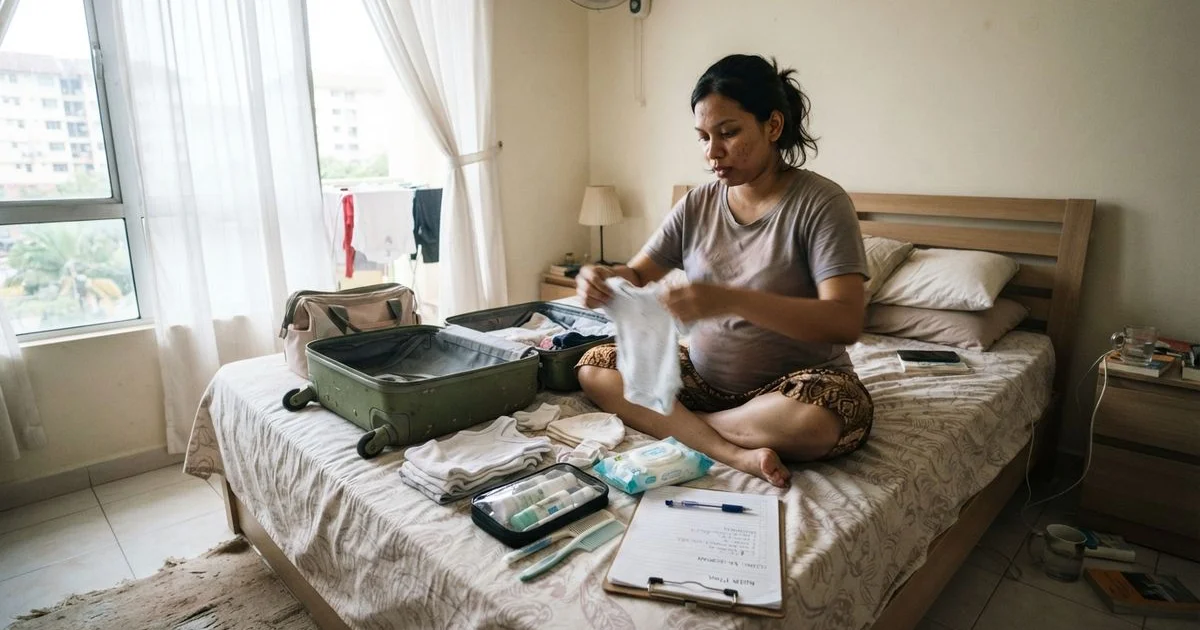
The final weeks before delivery go faster than expected, and having the practical basics settled ahead of time makes the actual day far less stressful. Here is what to prepare and when.
When to start preparing
Aim to have your hospital bag packed and logistics settled by around week 36, since labor can start before your due date even in an otherwise routine pregnancy. Trying to pack while contractions have already started is worth avoiding entirely.
For the fuller picture of what to book and when across pregnancy, see a month-by-month timeline for pregnancy appointments and bookings.
What to pack
| Category | Items to include |
|---|---|
| Documents | Identification, hospital registration or referral paperwork, insurance details |
| For you | Comfortable clothing, nursing bra, toiletries, phone and charger, slippers |
| For the baby | A few newborn outfits, a swaddle or blanket, a car seat for the trip home |
| Comfort items | Snacks, a pillow if you have a preference, entertainment for early labor |
| For your support person | A change of clothes, snacks, and their own charger |
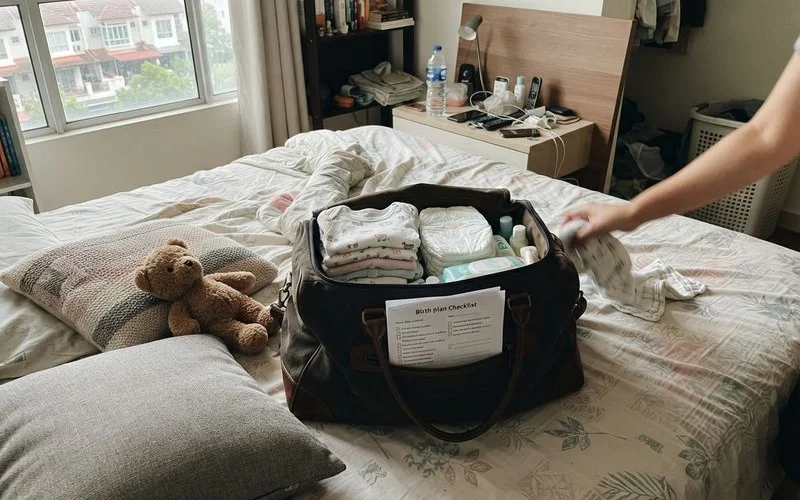
Check whether your specific hospital provides a detailed packing checklist, since some items like diapers or specific toiletries may already be supplied and not need duplicating. It also helps to pack a smaller separate bag with just the essentials for early labor, if your hospital has you wait at home for a while before admission, so you are not digging through your full bag while contractions are already underway.
Putting together a birth plan
A birth plan does not need to be a long formal document. A short, clear summary covering your main preferences is usually more useful to your care team than a lengthy list, since it is easier to reference quickly during labor. Consider including:
- Your preferences around pain relief options
- Who you want present during labor and delivery
- Any specific requests around delivery position or immediate newborn contact
- Feeding preferences immediately after birth
Share this with your obstetrician in advance so there are no surprises about your preferences on the day, and keep in mind that plans sometimes need to change based on how labor actually progresses. Flexibility matters as much as preparation here. Printing a couple of copies to bring with you, rather than relying only on a digital version, means the delivery team can reference it quickly without needing your phone.
Last logistics to confirm
- Transport. Know your primary route to the hospital and have a backup plan if your usual driver is unavailable.
- Who to call. Make sure your support person and any family who need to know are aware of your plan and contact details.
- Confinement care start date. If you have booked a confinement centre or confinement lady, confirm the exact start date and how the handover from hospital works.
- Work and childcare. If you have other children or ongoing work commitments, settle coverage for the days immediately around your due date.
Knowing when to head to the hospital
Alongside packing, it helps to be clear in advance on what your obstetrician considers the signal to head in, since this varies slightly by doctor and by whether it is a first or later pregnancy. Common general guidance is to go in once contractions are regularly around five minutes apart, lasting about a minute each, for at least an hour, or immediately if your waters break, bleeding starts, or you notice a significant drop in fetal movement. Confirm your own doctor’s specific guidance at one of your final checkups rather than relying on a general rule alone, since they know your particular pregnancy.
A final note
Even with a full checklist, delivery rarely goes exactly to plan, and that is normal. The value of preparing ahead is not eliminating surprises entirely, but reducing the number of things you have to think about in the moment, so you can focus on labor itself rather than logistics.
For how this site evaluates pregnancy and postnatal care providers, see the scoring methodology, and browse the full directory for care options across Kuala Lumpur.
FAQ
- When should I pack my hospital bag?
- Aim to have it ready by around week 36, since labor can start earlier than planned. Packing early means one less thing to think about once contractions begin.
- What should go in a hospital bag for delivery?
- Pack identification and hospital paperwork, comfortable clothing for you and the baby, toiletries, phone charger, snacks, and any specific items your hospital's checklist recommends, since requirements vary slightly by facility.
- Do I need a formal written birth plan?
- It is not required, but a short written summary of your preferences, like pain relief options and who you want present, helps your care team understand your wishes quickly, especially if plans change during labor.
- What last-minute logistics should I confirm before my due date?
- Confirm your route and backup transport to the hospital, pack a bag for a support person if relevant, and make sure key people know your birth plan and who to contact once labor starts.