Staying safe during confinement: hygiene, food and rest
By Janice · Updated 2026-06-22
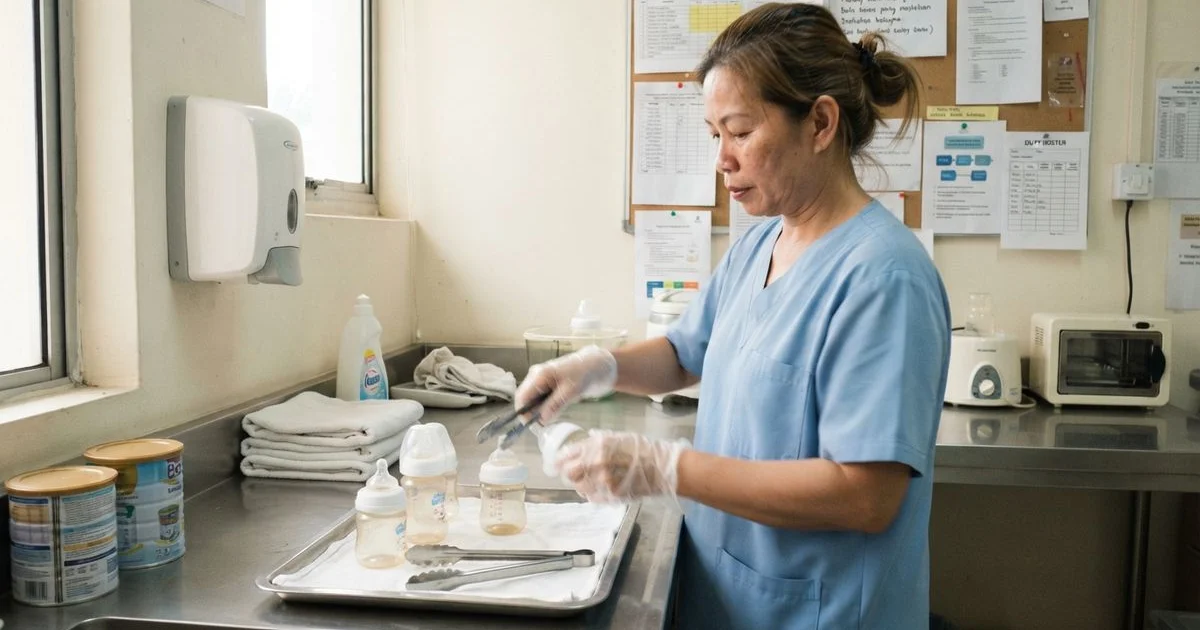
A confinement stay is meant to protect your recovery, but that only works if the centre itself gets the basics right: a clean environment, food that actually matches what was promised, and enough real rest. Here is what to check for and what to raise if something feels off.
Hygiene: what a good centre looks like
Newborns in a shared nursery are more vulnerable to infection than at home, simply because of proximity to other babies and a higher volume of staff handling. A well-run confinement centre should have visible, consistent hygiene practices:
- Staff sanitizing or washing hands between handling different babies
- Bedding and linens changed regularly and visibly clean
- A tidy, uncluttered nursery and recovery room
- Clear protocols for sick staff or visitors not entering the nursery
- Working, clean equipment, without visible wear or malfunction
If something looks off during a tour, a straightforward question about the centre’s infection-control routine is a reasonable thing to ask, not an awkward one. It is also worth asking how the centre separates a baby showing any sign of illness from the rest of the nursery, since a clear isolation practice for a single unwell baby is one of the more effective ways a facility limits how far an infection spreads.
Food: matching what was promised
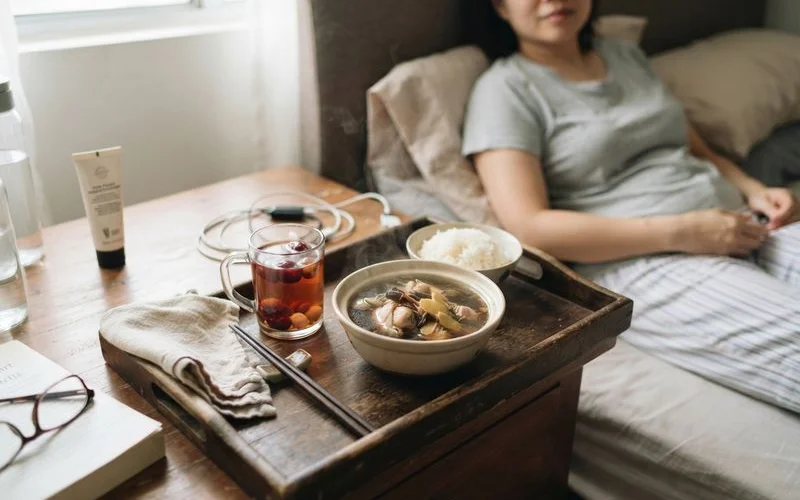
Confinement food is a central part of most packages, built around traditional postpartum nutrition. Reviewers of confinement and postnatal care providers in Kuala Lumpur consistently praise generous, well-prepared meals as a highlight, but a recurring complaint is dietary requests, like vegetarian meals, not being consistently honored, or meals becoming repetitive over a multi-week stay. Ask about the meal rotation and how far in advance dietary needs should be flagged, and get any special accommodation in writing. If you have allergies rather than just preferences, confirm directly with kitchen staff, not just the booking coordinator, since the people preparing meals need to know exactly what to avoid.
Rest: the part that is easy to overlook
The whole point of confinement care is protecting your recovery, which means genuine, uninterrupted rest matters as much as meals or hygiene. Ask specifically how overnight feeds are handled, whether staff take the baby for stretches so you can sleep, and how check-ins are scheduled so they do not constantly interrupt naps during the day.
| Area | What to check | Red flag |
|---|---|---|
| Hygiene | Visible hand hygiene, clean linens, tidy nursery | Staff skip hand hygiene between babies |
| Food | Meal plan matches package, dietary needs confirmed in writing | Repeated broken promises on diet requests |
| Rest | Clear overnight feeding support plan | No plan for how you actually get uninterrupted sleep |
| Facilities | Working equipment, clean shared spaces | Visible equipment wear or unresolved maintenance issues |
What to check before you sign anything
A short visit before booking tells you more than any brochure. Walk through the nursery at a time other than a scheduled tour if the centre allows it, so you see the space in its normal state rather than freshly tidied for visitors. Ask to see a sample day’s meal plan rather than just a general description, and ask how the centre handles a baby who needs extra attention overnight, since that answer tells you a lot about actual staffing levels versus what is advertised.
What to do if something feels wrong during your stay
Raise a concern with staff or the centre manager as soon as you notice it rather than waiting until check-out. Most issues, whether hygiene, food, or rest-related, are easier to fix in the moment than after the fact. If a serious concern is not addressed, keep a written record and follow up formally with management.
If you are weighing confinement care without family nearby to lean on, see confinement care in KL when family cannot help for how to plan around that gap.
This guide provides general information, not medical advice; for specific health or safety concerns during your stay, speak with the centre’s nursing staff or your doctor directly.
For how this site evaluates confinement and postnatal care providers, see the scoring methodology, and browse the full directory to compare options across Kuala Lumpur.
FAQ
- What hygiene standards should a confinement centre meet?
- Look for a clean, well-maintained nursery with visible infection-control practices, such as staff washing or sanitizing hands between handling different babies, clean bedding changed regularly, and a general absence of clutter or visible dirt in shared spaces.
- Is cross-infection a real risk in a shared confinement nursery?
- It is a genuine risk in any facility caring for multiple newborns in close proximity, which is why hygiene practices and staff-to-baby ratios matter. Ask directly how the nursery manages this before booking.
- Can I request specific dietary accommodations during confinement?
- Most centres can accommodate common requests like vegetarian meals or specific allergies if you raise them in advance and in writing, though flexibility varies by provider, so confirm before signing.
- What if I am not getting enough rest during my stay?
- Raise it directly with staff. Rest is one of the core reasons families choose a centre over staying home, and a good provider should be able to adjust feeding or check-in schedules to protect your sleep where possible.
Related on this site
- Browse confinement & postnatal care providers
- What confinement care costs in Kuala Lumpur and what changes the price
- What a confinement centre stay actually looks like, day by day
- Confinement care in KL when family cannot help with the new baby
- Warning signs in pregnancy that need urgent care in Kuala Lumpur
- All guides →