Postpartum depression and baby blues: what's normal and when to get help
By Janice · Updated 2026-06-04
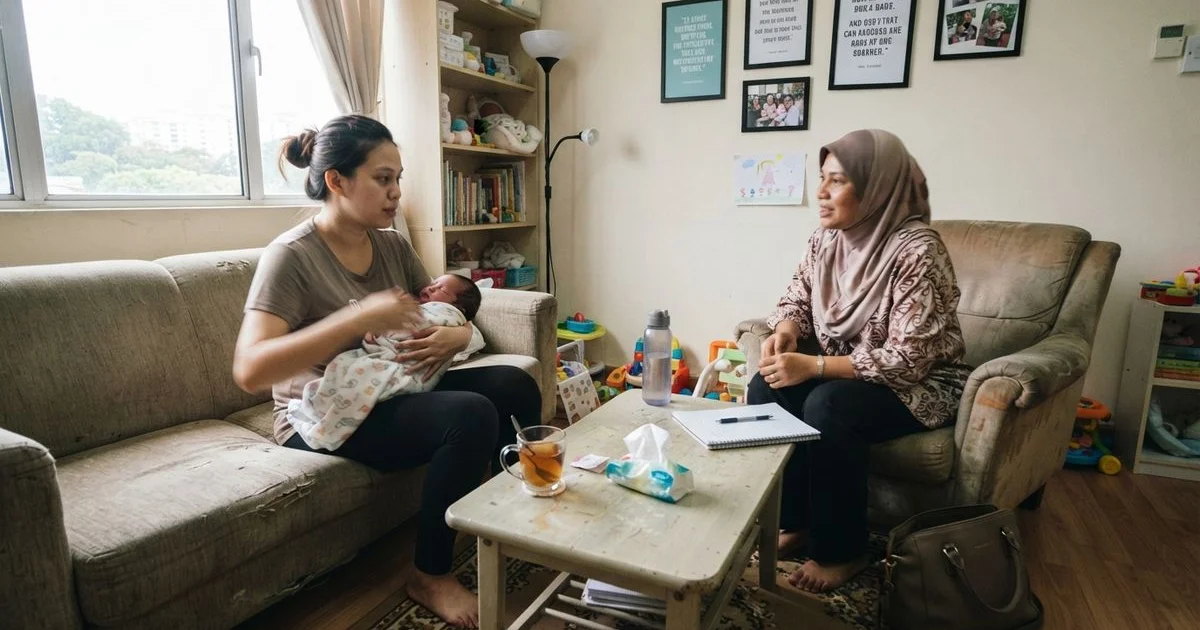
The weeks after birth bring a wide swing of emotions for most new mothers, and figuring out what is a normal adjustment versus something that needs support can be difficult from the inside. This guide is general information, not medical advice; if you are worried about yourself or someone close to you, speak with a doctor.
Baby blues: what is typical
Baby blues affect a large share of new mothers in the days right after delivery. Common signs include:
- Sudden mood swings, tearfulness, or feeling overwhelmed
- Trouble sleeping even when the baby is asleep
- Anxiety about caring for the baby
- Irritability that comes and goes
These feelings usually peak around days three to five after birth and ease off within about two weeks, often without any specific treatment beyond rest, support, and time.
Postpartum depression: what is different
Postpartum depression goes further than the blues, in both intensity and how long it lasts. Signs to take seriously include:
- Low mood, sadness, or emptiness that persists most days for more than two weeks
- Loss of interest in things you normally enjoy, including the baby
- Difficulty bonding with your baby, or feeling numb rather than connected
- Persistent fatigue that does not improve with rest
- Feelings of guilt, worthlessness, or being a bad parent
- Difficulty concentrating or making decisions
- In more severe cases, thoughts of harming yourself or the baby
That last point is a genuine emergency. If it applies to you or someone you know, contact a doctor or emergency services immediately rather than waiting.
| Baby blues | Postpartum depression | |
|---|---|---|
| Typical onset | Days 3-5 after birth | Anytime in the first year |
| Typical duration | Up to about 2 weeks | Weeks to months without treatment |
| Effect on daily function | Mild, manageable | Can significantly interfere with daily life |
| Usual approach | Rest, support, time | Professional assessment and treatment |
What raises the risk
Postpartum depression can affect any new mother, but a few factors are associated with a higher likelihood: a personal or family history of depression or anxiety, a difficult or traumatic delivery, a lack of practical or emotional support at home, significant sleep deprivation, and major life stress happening alongside the arrival of the baby, such as financial strain or relationship difficulties. Having one or more of these factors does not mean depression is inevitable, but it is a reason to keep a closer eye on your own mood in the weeks after birth and to line up support in advance rather than waiting to see how things go.
What partners and family can watch for
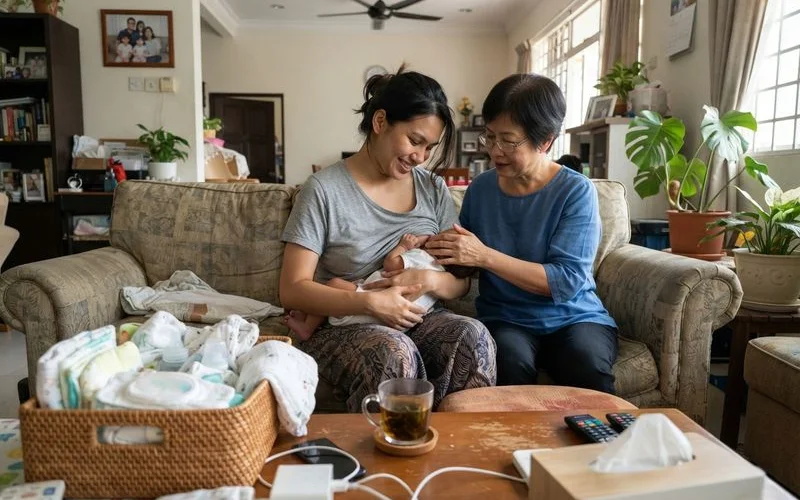
New mothers do not always recognize or say out loud that something feels wrong, especially while trying to hold everything together for a new baby. Partners, parents, and close friends are often the first to notice a persistent change in mood, withdrawal from usual routines, or a mother expressing that she feels like a failure. Gently raising it, rather than assuming it will pass, opens the door to getting help sooner.
Getting support
Start with an obstetrician, general practitioner, or a psychiatrist or psychologist with experience in perinatal mental health. Being asked to fill out a mood screening questionnaire at a postnatal checkup is normal and a useful early flag, not something to brush off. Confinement centres and postnatal care providers can often point new mothers toward local counseling or support group resources as well.
Recovery timelines vary and treatment, when needed, can include counseling, support groups, and in some cases medication that is safe while breastfeeding. Getting an assessment early tends to lead to a shorter, easier recovery than waiting until symptoms have built up for months.
If you are still pregnant and want to know which physical symptoms need urgent attention before delivery, see warning signs in pregnancy that need urgent care.
For how this site evaluates postnatal and pregnancy care providers, see the scoring methodology, and browse the full directory for support options in Kuala Lumpur.
FAQ
- What is the difference between baby blues and postpartum depression?
- Baby blues are common, mild, and usually fade within about two weeks after birth. Postpartum depression lasts longer, feels more intense, and can interfere with daily functioning and bonding with the baby. If low mood persists past two weeks or feels severe, it is worth getting assessed.
- How common is postpartum depression?
- It affects a meaningful share of new mothers, and it can also affect partners. It is a recognized medical condition, not a personal failing or a sign of not loving your baby enough.
- Can postpartum depression start weeks or months after birth?
- Yes. While symptoms often begin in the first few weeks, postpartum depression can also develop later in the first year, so ongoing low mood at any point after birth is worth taking seriously.
- Where can new mothers get support for postpartum depression in Kuala Lumpur?
- Start with your obstetrician, a general practitioner, or a psychiatrist or psychologist experienced in perinatal mental health. Many confinement centres and postnatal clinics can also point you toward local support resources.